-
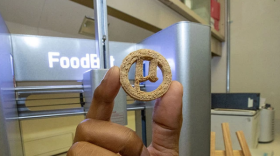 The idea of making cookies from recycled plastic seems both ridiculous and quite unappetizing, but researchers at Southern Illinois University may actually make it possible.
 -
 Coyotes are canines native to North America, closely related to gray wolves but smaller. They are widely distributed and over the past century, coyotes have colonized every major metropolitan area in North America. Once they get a taste for city living, they happily forsake the wild. In cities, food is abundant and predators are scarce.
 -
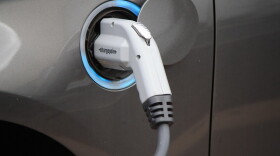 The need for curbside electric vehicle charging is increasing in dense cities because many urban drivers park on the street when they don’t have access to private home garages. Rideshare and taxi drivers want access to neighborhood charging so they don’t have to waste time traveling to distant charging stations.
 -
 According to United Nations estimates, more than two billion people around the world lack access to safely managed drinking water. As freshwater becomes increasingly scarce, communities from California to the Middle East are turning to desalination to convert seawater into drinking water.
 -
 Twenty states and the District of Columbia have filed lawsuits against the Trump administration over its severe cuts to protections for wildlife that were established under the Endangered Species Act.
 -
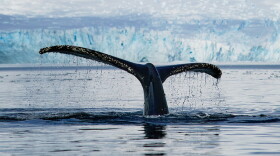 Commercial whaling killed nearly 3 million whales in the 20th century, reducing many global populations by up to 90%. The International Whaling Commission set a ban on commercial hunting in 1986, allowing numbers to slowly climb. Every whaling nation agreed to the ban at that time. However, Norway resumed commercial whaling in 1993, Iceland in 2006, and Japan in 2019.
 -
 This past summer, beaches in Florida and the Caribbean have been piled high with foul-smelling sargassum seaweed, often in record amounts. It is the visible sign of a vast marine ecosystem that emerged in 2011 and now spreads across a 5,500-mile-long belt from Mexico to West Africa and Florida to Brazil.
 -
 The largest source of carbon dioxide and other planet-warming gases in the United States is the transportation sector. The second largest source and nearly as large is the generation of electricity.
 -
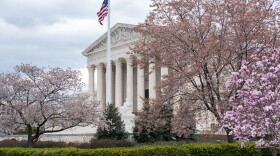 There is a congressional bill working its way through the legislative process titled the "Stop Climate Shakedowns Act of 2026." The stated purpose of the bill is to "prohibit liability against those engaged in the mining, extraction, production, refinement, transportation, distribution, marketing, manufacture, or sale of energy for damages or injunctive or other relief."
 -
 The US added more battery storage capacity in the second quarter of this year than in any quarter ever. In fact, the 20.2 gigawatt-hours of batteries installed during those three months represents one tenth of the nation’s entire grid storage capacity.

© 2026

Play Live Radio
Next Up:
0:00
0:00
Available On Air Stations


