


Earth Wise
Weekdays, 11:10 a.m. and 4:04 p.m.
From green business and new environmental legislation to how nature impacts our environment in ways never before considered, Earth Wise offers a look at our changing environment.
Ways To Subscribe

Latest Episodes
-
 The world consumes over four billion tons of cement each year, making it second only to water as the most heavily consumed substance on Earth. Cement production creates roughly 8% of global carbon dioxide emissions because it involves burning lots of fossil fuels to create the necessary heat to form it as well as because heating the limestone in it releases greenhouse gases.
 -
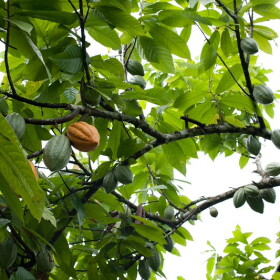 The warming climate poses threats to the chocolate industry. Prolonged heat waves shrivel the leaves of cacao trees while dry spells impede pod growth and dry out soil moisture. Warmer temperatures favor destructive insects. These things threaten the livelihood of over 5 million farmers. Meanwhile, raw cacao prices continue to go up and up. The price of raw cacao tripled in 2024, raising consumer prices, leading to smaller bars, and reformulation of candies containing less chocolate.
 -
 Ohio has been one of the toughest regions in country for clean energy development, particularly solar power. Permits for construction are often blocked by local political opposition rather than technical faults. Much of the opposition is based on the notion that covering fields with solar panels destroys the rural and agricultural character of local communities. Ohio residents often voice concerns that solar installations may lower home values, create glare, and cause drainage issues.
 -
 Soil supports an enormous share of life on Earth. Soil stores water, carbon, and nutrients, supports agriculture, and provides habitat for countless organisms. Scientists estimate that more than half of Earth’s biodiversity exists below the surface. But soil biodiversity is declining, threatening agriculture, food security, and the ability of ecosystems to function properly.
 -
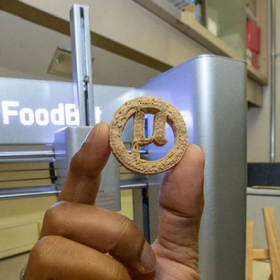 The idea of making cookies from recycled plastic seems both ridiculous and quite unappetizing, but researchers at Southern Illinois University may actually make it possible.
 -
 Coyotes are canines native to North America, closely related to gray wolves but smaller. They are widely distributed and over the past century, coyotes have colonized every major metropolitan area in North America. Once they get a taste for city living, they happily forsake the wild. In cities, food is abundant and predators are scarce.
 -
 The need for curbside electric vehicle charging is increasing in dense cities because many urban drivers park on the street when they don’t have access to private home garages. Rideshare and taxi drivers want access to neighborhood charging so they don’t have to waste time traveling to distant charging stations.
 -
 According to United Nations estimates, more than two billion people around the world lack access to safely managed drinking water. As freshwater becomes increasingly scarce, communities from California to the Middle East are turning to desalination to convert seawater into drinking water.
 -
 Twenty states and the District of Columbia have filed lawsuits against the Trump administration over its severe cuts to protections for wildlife that were established under the Endangered Species Act.
 -
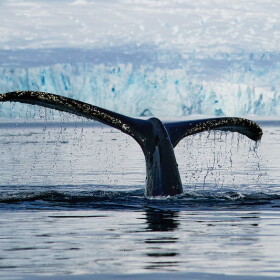 Commercial whaling killed nearly 3 million whales in the 20th century, reducing many global populations by up to 90%. The International Whaling Commission set a ban on commercial hunting in 1986, allowing numbers to slowly climb. Every whaling nation agreed to the ban at that time. However, Norway resumed commercial whaling in 1993, Iceland in 2006, and Japan in 2019.


