-
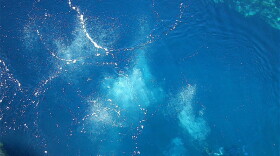 The water covering most of our planet is slowly losing something essential to life: oxygen. Scientists are raising the alarm about declining oxygen levels in lakes, rivers, and oceans around the world.
 -
 Recent news that cleanup of a superfund site at a Hudson Valley air national guard base will be delayed for 20 years comes as local activists with Newburgh Clean Water Project prepare to celebrate the importance of clean water.
 -
 The Great Salt Lake in Utah is the largest saltwater lake in the Western hemisphere. Nearly 80% of Utah’s population lives within the lake’s watershed and it contributes over $1.3 billion to the state’s GDP each year. It is rapidly disappearing and some estimates warn that it could collapse entirely within the next five years.
 -
 Hoover Dam was built in the 1930s during the Great Depression. It is famous for taming the wild Colorado River, providing the power that electrified the American Southwest, and for creating Lake Mead, the largest man-made reservoir in the United States. The dam is as tall as a 60-story building and was the world’s highest dam when it was built. And now, it has real problems.
 -
 The Colorado River is experiencing a crisis. Its flow has reduced by an average of 20% compared to the 20th-century average. Its system reservoirs are critically low and water storage across its major lakes is at about 35% of capacity. The Colorado supplies water and irrigation to about 40 million people across seven U.S. states and northern Mexico.
 -
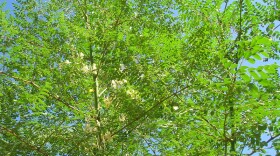 The moringa tree is a short-lived, fast-growing, drought-resistant tree native to northern India. Its seeds and fruit are valued for their flavor and nutritional value and the tree is known as “the miracle tree” for its use in traditional medicine.
 -
 According to the World Health Organization and UNICEF, 1 in 4 people globally – about 2.1 billion – lack access to safely managed drinking water. The definition of this is water from sources located on premises, free from contamination, and available when needed. Climate change, population growth, conflicts, and humanitarian crises are only putting increasing pressure on the world’s water resources.
 -
 There are around 200,000 glaciers in the world and virtually all of them are melting with the rate accelerating. More than half of the world’s population makes use of meltwater from glaciers and snow for drinking, agriculture, and energy. Nearly 2 billion depend on seasonal glacier melt that supplies rivers and aquifers. This is especially true in Asia and in the Andes.
 -
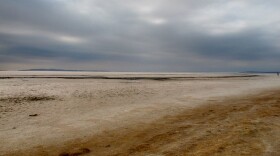 Marmara Lake once spread across 17 square miles in the Turkish province of Manisa. Tourists came from far and wide to boat on its waters, which were the home of nearly 20,000 birds. In 2011, the lake began to dry up. By 2021, the lake had lost 98% of its water, destroying the ecosystem that depended on it.
 -
 In November, Iranian President Masoud Pezeshkian stated that the country “has no choice” but to relocate its capital. Severe ecological strain has made Tehran impossible to sustain. Even as that country’s regime spends billions of dollars on rebuilding its military and nuclear infrastructure as well as supporting terrorist groups in the Middle East, Iran is running out of water.

© 2026

Play Live Radio
Next Up:
0:00
0:00
Available On Air Stations


