-
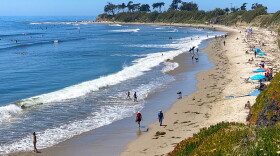 Marine heat waves are becoming more frequent, longer lasting, and more intense as the climate warms. And new research suggests their impacts extend far beyond dying coral reefs and declining fish populations.
 -
 Five species of sea turtles are found in the Gulf of Mexico. All five were pushed to the brink of extinction due to human activity. The Endangered Species Act of 1973 listed all sea turtles in the United States as threatened or endangered except the flatback turtle. Under the Act, it is illegal to harm or in any way interfere with a sea turtle or its eggs.
 -
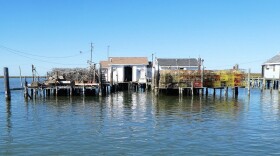 Rising sea levels around the world is one of the most visible consequences of human-caused climate change. As global temperatures rise, oceans absorb more heat and expand, while melting glaciers and ice sheets add even more water to the seas.
 -
 Rising seas are threatening coastal towns and cities all over the world. According to an analysis by researchers at Tulane University, Yale, and other institutions, coastal Louisiana faces sea level rise of 10 to 23 feet as this century moves forward. It is one of the lowest lying regions in the world, and New Orleans is particularly exposed. It sits in a bowl-shaped basin, mostly below sea level, in the middle of a rapidly shrinking delta.
 -
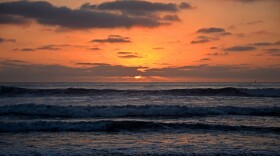 Climate change is raising sea levels. Sea level rise has been tracked for quite a while and its risks to people who live in coastal areas have been the focus of a great deal of attention. But sea level rise is not a simple matter in that defining the baseline sea level is difficult to do.
 -
 Projections are that a strong El Niño is on the way. An El Niño is a natural release valve for ocean heat. It starts with shifts of swirling ocean currents and winds over the Pacific. The result is that huge stores of tropical ocean heat surges from the Western Pacific in the area between Australia and Indonesia northward to Japan. The ocean heat then spills into the atmosphere in pulses that change weather patterns, reroute high-elevation winds, raise global temperatures, bleach coral reefs, and disrupt fisheries and ocean ecosystems.
 -
 The Best of Our Knowledge explores topics on learning, education, and research.On this episode, we’ll learn how an unusual fossil offered scientists a new glimpse into the evolutionary history of some of Earth’s earliest animals.And we’ll learn how pirate gold helped dispel a centuries-old rumor among seafaring European traders.
 -
The Best of Our Knowledge explores topics on learning, education, and research.On this episode, we’ll learn how an unusual fossil offered scientists a new glimpse into the evolutionary history of some of Earth’s earliest animals.And we’ll learn how pirate gold helped dispel a centuries-old rumor among seafaring European traders.
-
 The oceans are home to a quarter million species that have been catalogued and undoubtedly a far greater number undocumented, hosting over 80% of global biodiversity. Oceans are the planet’s primary life-support system, producing at least half of its oxygen.
 -
 Toxic algal blooms have been a growing problem in recent years associated with warming waters and nutrient-rich agricultural runoff in lakes, rivers, and oceans. These outbreaks can damage ecosystems, degrade water quality, and release toxins that threaten both wildlife and people. But a recent discovery suggests that nature may have found a way to fight back.

© 2026

Play Live Radio
Next Up:
0:00
0:00
Available On Air Stations


