-
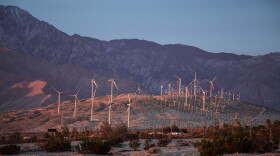 The world is in a global transition from a fossil-fuel-based energy system to a zero-carbon, renewable energy system. Renewable sources including solar, wind, hydroelectric, and geothermal power form the backbone of energy production along with nuclear power. Heating, transportation, and industrial processes are shifting to run on electricity rather than burning fossil fuels.
-
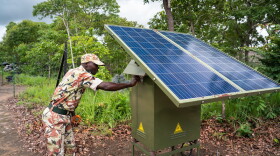 Africa is experiencing a boom in solar energy that is largely unaccounted for in any official statistics. It is primarily composed of rooftop arrays and other small systems and is mostly in sub-Saharan Africa. The rapid buildout is driving solar generation to record levels but is largely untracked.
-
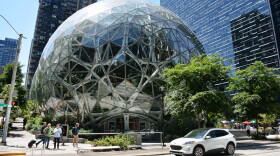 Hyperscalers are large technology companies that build and operate massive, globally distributed data center networks to provide cloud computing, storage, and networking services on an enormous scale. Examples include Amazon, Google, Meta, Microsoft, and Alibaba.
-
 WAMC spoke with Sullivan County residents at Stewart's about how they're feeling about the cost of energy as the war in Iran continues.
-
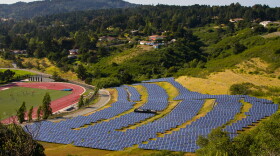 The silicon solar cell was invented in 1954. In the 1970s and 1980s, solar panels first started appearing on roofs. But even by the turn of the century, the total global capacity was below 5 GW. Over the next decade, European and Japanese programs drove early adoption and by 2010, the global total was about 40 GW. The next decade saw dramatic reductions in the cost of solar modules and a period of rapid growth ensued.
-
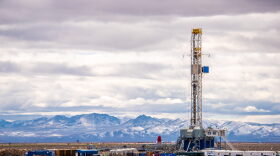 Enhanced or next-generation geothermal energy has massive potential in the western United States. This energy source could provide hundreds of gigawatts of clean energy around the clock. Currently, there are only 4 gigawatts of geothermal energy being used nationwide.
-
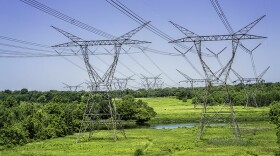 U.S. electric power consumption hit is second straight annual record high in 2025 and will rise further in 2026 and 2027. Electric grid consumption had been relatively stable between 2010 and 2021 and per capita consumption even declined over that period, but all that has changed.
-
 Heat pumps are highly efficient all-in-one heating and cooling systems. Ordinary furnaces burn fuel to produce heat. Heat pumps move existing heat from one place to another using electricity and refrigerant. A heat pump can act as heater in the winter and an air conditioner in the summer.
-
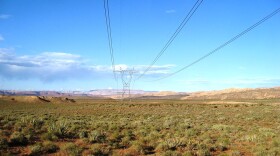 The part of the year between the chill of winter and the heat of mid-summer tends to be when renewable energy systems perform best. Longer, milder days when electricity demand is relatively low are when wind and solar power are ramping up and can account for greater shares of grid energy consumption.
-
 Solar power has been experiencing a massive boom for fifteen years, with an annual growth rate of 28% over the last decade. More recently, grid storage batteries have established a boom of their own. These battery banks, which can store the energy produced by solar and other sources, are expanding rapidly.

© 2026

Play Live Radio
Next Up:
0:00
0:00
Available On Air Stations


