-
 A new study is re-emphasizing just how many waterways now contain "forever chemicals" known as PFAS.
 -
 The Department of Environmental Conservation's Hudson River Estuary Action Agenda describes several threats facing the river -- runoff and contamination caused by increasing rainfall, invasive species that could harm indigenous fish populations, harmful algal blooms, and bigger boats.
 -
 A study published last month by the Delaware River Basin Commission found that the Delaware River contains low levels of the forever chemicals known as PFAS.
 -
 The New York State Department of Environmental Conservation has cancelled an upcoming hearing in Saratoga County on a controversial PFAS processing permit at the applicant's request.
 -
 Williamstown, Mass., made state history this month by taking a stand against sludge.
 -
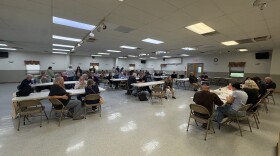 In December, the village of Fort Edward issued a citation to a soil-processing plant for operating outside of its land use permit. Tuesday night, the village’s Zoning Board of Appeals held a public hearing on that citation. WAMC's Lucas Willard and Aaron Shellow-Lavine discussed.
 -
 An interview with Berkshire Environmental Action Team Executive Director Brittany Ebeling.
 -
 A facility that processes contaminated soil is at the center of a planning debate in the Washington County village of Fort Edward.
 -
 Residents in the village of Fort Edward are raising the alarm over a proposed permit that would allow a local incinerator plant to process PFAS-contaminated soils.
 -
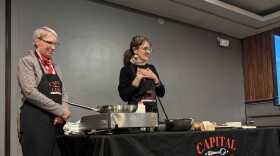 State senators in New York are celebrating the passage of two bills that would regulate toxic "forever" chemicals.

© 2026

Play Live Radio
Next Up:
0:00
0:00
Available On Air Stations


