-
 Microplastics have been found pretty much everywhere on Earth, from the highest mountain peaks to the deepest parts of the ocean. They have also been detected in rivers, lakes, wildlife, and even in the human body.
 -
 The moringa tree is a short-lived, fast-growing, drought-resistant tree native to northern India. Its seeds and fruit are valued for their flavor and nutritional value and the tree is known as “the miracle tree” for its use in traditional medicine.
 -
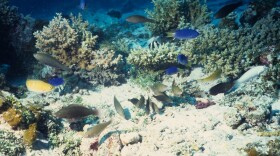 Microplastics are pretty much everywhere on Earth. They have been found in ocean water, wildlife, and even in the human body. Ocean currents carry these tiny fragments far from where they are produced, meaning even remote places are not immune to plastic pollution.
 -
 Plastic pollution remains one of the world’s most challenging environmental problems. Plastic pollution has been found everywhere on Earth, from the highest mountain peaks to the deepest parts of the ocean. And scientists are finding that plastic is also moving through the air we breathe.
 -
 Washing clothes may seem harmless, but each load can release hundreds of thousands of tiny plastic fibers from synthetic fabrics into the water. Some of these microplastics are captured in sewage sludge that is often used as fertilizer, allowing the particles to spread onto agricultural fields. Others pass through wastewater systems and eventually into the ocean, where they accumulate in marine life. Laundry is an overlooked but major source of plastic pollution.
 -
 Vermont Public Interest Research Group’s Alexis Drown shares a report on advising shoppers how to avoid microplastics during the holiday season and beyond.
 -
 Lake Champlain scientists are researching how much marine debris and microplastic pollution are in the lake.
 -
 The Best of Our Knowledge explores topics on learning, education and research.Shape-shifting, fluid-like robotic materials may one day no longer exist only in science fiction.We’ll learn about how microplastics could contribute to antibiotic resistance.And students and faculty at UVM ask questions about cuts to federal funding for college campuses.
 -
 Microplastics, which have polluted air, water and food, have now been found in human blood.
 -
 Hudson River Sloop Clearwater has been awarded a two-year grant to expand its environmental education programs.Dorr Foundation awarded a $40,000 grant to…

© 2026

Play Live Radio
Next Up:
0:00
0:00
Available On Air Stations


