-
 The largest source of carbon dioxide and other planet-warming gases in the United States is the transportation sector. The second largest source and nearly as large is the generation of electricity.
 -
 The Department of Environmental Conservation's Hudson River Estuary Action Agenda describes several threats facing the river -- runoff and contamination caused by increasing rainfall, invasive species that could harm indigenous fish populations, harmful algal blooms, and bigger boats.
 -
 The starry night sky has fascinated humanity for countless millennia. For most of that time, it was an untouchable, immutable and vast expanse that was beyond the influence of anyone. But the present-day commercial space race has created new threats to the relationship between people and the celestial expanse by crowding the night sky and polluting the atmosphere.
 -
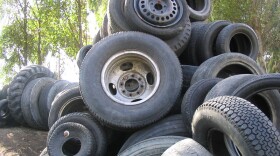 Tire pollution consists of a toxic mix of microplastics and heavy metals that are shed into the air, soil, and water as tires wear down as they travel on roads. Over six million tons of rubber and particles are shed from tires globally every year.
 -
 Solar power has been eating away at coal’s dominance in generating electricity for quite a while. While coal power is still the largest single source of electricity across the globe, most new generation capacity is coming from solar and wind. However, coal power is fighting back, and not in a good way.
 -
 Over the past seven years, there have been an increasing number of deployments of co-called “megaconstellation” satellite systems, far outstripping the number of satellites orbiting the earth that had been launched over the previous 60 years.
 -
 For the past year, the Trump administration has repeatedly issued orders for five aging coal plants in four states to remain open past their scheduled closures, citing an unspecified “energy emergency” that supposedly threatens the reliability of the U.S. electricity supply.
 -
 Climate change is making air quality worse in many parts of the world. Rising temperatures increase ground-level ozone and more frequent wildfires release harmful smoke and particulates into the air. These shifts, together with ongoing pollution from vehicle exhaust and industrial emissions, are leading to longer and more intense episodes of unhealthy air.
 -
 Concrete is the most abundant manufactured material in the world. It is primarily composed of water, cement, and aggregate (sand and gravel.) Cement manufacturing is responsible for about 8% of the world’s total CO2 emissions, primarily a result of the chemical reaction of heating limestone and the combustion of fossil fuels used to provide the heat.
 -
 Ten years ago, there were about 1,200 satellites in orbit around the earth. Now there are about 12,000 and the numbers are growing rapidly. Starlink alone has 9,000 satellites in its communications swarm and may in a few years have as many as 42,000. By 2040, there may be more than 100,000 active satellites circling Earth.

© 2026

Play Live Radio
Next Up:
0:00
0:00
Available On Air Stations


