-
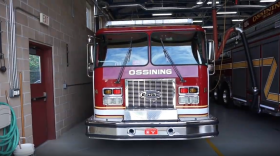 The bill would quadruple the tax credit for volunteer firefighters and ambulance workers in New York State. It passed the New York State Legislature with bipartisan support.
 -
 WAMC’s David Guistina in conversation with Ivan Lajara, Regional Managing Editor of The Daily Freeman, about Ulster lawmakers voting to seek state approval on a tax on the wealthy.
 -
 Friday evening the state Assembly wrapped up its 2026 legislative session, a day after the state Senate. In many ways the legislative session was a typical one: The budget was late (the latest since 2010); lawmakers held campaign fundraising events in the Capital District; and hundreds of bills were approved at the end of session in a flurry of activity in both houses.
 -
Now well over a month late, it appears that Governor Hochul and state lawmakers are on a path to finish off the budget, which was due on April 1st. Since the final budget agreement will be the latest since 2010, the tardiness will squeeze the time available to tackle non-budget topics.
-
 Rachel Reilly, of the Hinckle United Tenants Union, is among advocates pushing the state Legislature to pass the Rent Emergency Stabilization Act.
 -
 WAMC's David Guistina in conversation with Chris Bragg, Albany Bureau Chief at New York Focus, about the power the Bronx Democratic Party holds in state government.
 -
 Advocates gathered outside a beauty supply retail store in Albany on Tuesday, demanding that New York state pass a law that would regulate ingredients found in personal care products and cosmetics.
 -
Republicans have a lot to worry about in the upcoming 2026 election. Historically, the party that controls the White House takes an electoral pasting in the mid-terms. Given the current razor-thin majority that allows the Republicans to control the House, a November vote consistent with the historic record of most mid-term elections could flip it back to Democratic control.
-
 State senators in New York are celebrating the passage of two bills that would regulate toxic "forever" chemicals.
 -
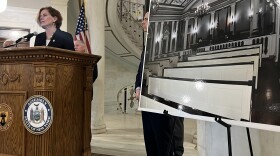 New York state lawmakers have announced legislation targeting the New York State Office of Court Administration’s power over municipal budgets.

© 2026

Play Live Radio
Next Up:
0:00
0:00
Available On Air Stations


