-
 Twenty states and the District of Columbia have filed lawsuits against the Trump administration over its severe cuts to protections for wildlife that were established under the Endangered Species Act.
 -
 The largest source of carbon dioxide and other planet-warming gases in the United States is the transportation sector. The second largest source and nearly as large is the generation of electricity.
 -
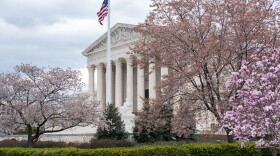 There is a congressional bill working its way through the legislative process titled the "Stop Climate Shakedowns Act of 2026." The stated purpose of the bill is to "prohibit liability against those engaged in the mining, extraction, production, refinement, transportation, distribution, marketing, manufacture, or sale of energy for damages or injunctive or other relief."
 -
 The US added more battery storage capacity in the second quarter of this year than in any quarter ever. In fact, the 20.2 gigawatt-hours of batteries installed during those three months represents one tenth of the nation’s entire grid storage capacity.
 -
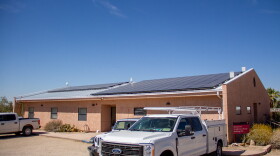 It’s been a rough year for the rooftop solar business. The Trump administration passed a measure last year that phased out the main federal tax credit for rooftop solar. It also imposed tariffs on imported photovoltaic panels and other parts. These policy changes have led to significant decreases in sales for installers. Estimates are that new residential solar generating capacity will fall 21% this year compared to 2025. That is a big enough drop to put many U.S. solar companies out of business altogether and to force the remaining companies to slash costs.
 -
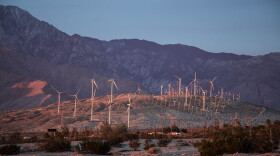 The world is in a global transition from a fossil-fuel-based energy system to a zero-carbon, renewable energy system. Renewable sources including solar, wind, hydroelectric, and geothermal power form the backbone of energy production along with nuclear power. Heating, transportation, and industrial processes are shifting to run on electricity rather than burning fossil fuels.
 -
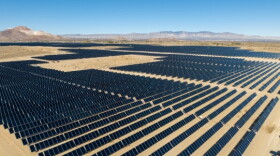 The largest solar energy project in the United States is under construction in Arkansas. The Steel River Energy Center will eventually include 2.5 GW of solar and 2.9 GWh of battery energy storage.
 -
 The federal government started promoting energy efficiency in the 1970s in the wake of the Arab oil embargo. Since that time, successive administrations, both Republican and Democratic, instituted regulations about energy efficiency that have transformed the US economy. Energy efficiency has been pretty much the most bipartisan issue in the country. As a result, today’s refrigerators use about one-third the electricity of those from the 70s. Stricter fuel-economy standards for cars have saved Americans about $5 trillion in gasoline costs.
 -
 The sales momentum for electric cars in the U.S. has slowed as a result of the policies of the current administration, but the auto industry clearly sees that EVs are the future and the industry is paving the way for that future.
 -
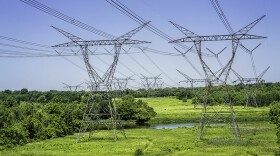 U.S. electric power consumption hit is second straight annual record high in 2025 and will rise further in 2026 and 2027. Electric grid consumption had been relatively stable between 2010 and 2021 and per capita consumption even declined over that period, but all that has changed.

© 2026

Play Live Radio
Next Up:
0:00
0:00
Available On Air Stations


