-
 Marine heat waves are becoming more frequent, longer lasting, and more intense as the climate warms. And new research suggests their impacts extend far beyond dying coral reefs and declining fish populations.
 -
 This summer, wildfire smoke has impacted the Pacific Northwest, California, the Mountain West, and the Northeast. The western states experience direct, localized smoke from ongoing blazes whereas the midwestern and eastern cities suffer from unhealthy air because of wind patterns carrying smoke from Canadian wildfires. In July, 13 states issued air quality alerts because of more than 150 wildfires burning in Quebec.
 -
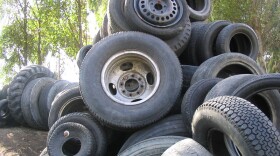 Tire pollution consists of a toxic mix of microplastics and heavy metals that are shed into the air, soil, and water as tires wear down as they travel on roads. Over six million tons of rubber and particles are shed from tires globally every year.
 -
 Climate change is raising sea levels. Sea level rise has been tracked for quite a while and its risks to people who live in coastal areas have been the focus of a great deal of attention. But sea level rise is not a simple matter in that defining the baseline sea level is difficult to do.
 -
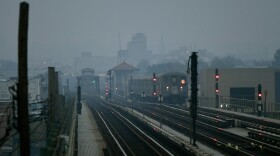 IQAir, a Swiss air monitoring company that posts real-time air quality data aggregated from sensors around the world, has issued its annual report for 2025. The report shows that most of the world’s cities suffered from unhealthy levels of air pollution. Climate-driven wildfires and dust storms as well as the continuing burning of fossil fuels are driving toxic air across borders and worsening the problem.
 -
 A study by scientists at the Columbia University Climate School has found that the weather conditions driven by climate change that are increasing the occurrence of wildfires are playing a growing role in shaping summer air quality in both the United States and Canada. And the news isn’t good. The air is getting smokier and the impact on public health is not something that can be addressed by regulatory action, as was the case for fossil fuel pollution.
 -
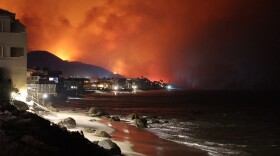 In January 2025, two large wildfires burned through large areas of greater Los Angeles damaging or destroying more than 18,000 buildings and directly causing the death of 31 people. A study by public health researchers attributed another 409 deaths to factors associated with the fires. While the fires burned, air quality in Los Angeles was terrible. Researchers from UCLA’s School of Public Health collected air samples both indoors and out during and after the fires.
 -
 Plastic pollution remains one of the world’s most challenging environmental problems. Plastic pollution has been found everywhere on Earth, from the highest mountain peaks to the deepest parts of the ocean. And scientists are finding that plastic is also moving through the air we breathe.
 -
 We are all aware of the dangers of second-hand smoke. It is why smoking is not allowed in almost all public spaces. But a new study has revealed a persistent and evolving threat to indoor air quality known as third-hand smoke.
 -
 In healthy ecosystems, mosquitoes feed on a wide range of animals, including birds, amphibians, and mammals. But when those ecosystems lose species, mosquitoes are left with fewer choices. New research suggests that in some places where biodiversity is shrinking, humans are becoming the preferred target.

© 2026

Play Live Radio
Next Up:
0:00
0:00
Available On Air Stations


