-
 Toxic algal blooms have been a growing problem in recent years associated with warming waters and nutrient-rich agricultural runoff in lakes, rivers, and oceans. These outbreaks can damage ecosystems, degrade water quality, and release toxins that threaten both wildlife and people. But a recent discovery suggests that nature may have found a way to fight back.
 -
 It seems as if the whole world is retreating on climate and green energy. Politicians in many places are calling for so-called energy realism. In the US, President Trump calls global warming a hoax. The EPA has repealed the endangerment finding, the 2009 science-based finding that the buildup of heat-trapping greenhouse gases in the atmosphere endangers public health and welfare.
 -
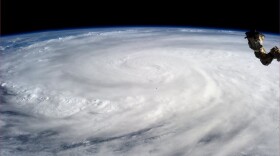 Artificial intelligence has become an important tool for weather forecasting. AI models often outperform conventional forecast models, providing more detail and the ability to look farther into the future.
 -
 Globally, the clean energy economy has been on a steep growth trajectory for more than a decade. Global investment in the clean energy transition reached a record high of over $2.3 trillion dollars in 2025, driven by major spending on renewable power, electric vehicles, and modernizing grid infrastructure. Around the world, battery manufacturing, solar and wind generation, and electrical vehicle manufacturing all surged. Last year, spending on renewables, nuclear power, and energy storage was roughly double what was spent on fossil fuels.
 -
 As the dangers of climate change continue to grow, so has interest in geoengineering – deliberate tinkering with the earth’s climate system. However, actually doing it on a scale that matters is fraught with peril from unintended consequences of disrupting the delicate interactions between the Earth’s atmosphere, ocean, land, and sea ice.
 -
 Caffeine is a central nervous system stimulant. It boosts alertness, energy, and metabolism. Consuming too much of it can lead to insomnia, jitters, anxiety, rapid heart rate, and gastrointestinal issues. Many people avoid caffeine entirely, despite the fact that moderate amounts generally don’t have ill effects for most people. There have also been long-term benefits of caffeine observed including lower risks of type 2 diabetes and Parkinson’s disease.
 -
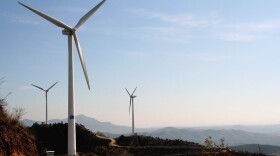 The world is undergoing an energy transition from fossil fuels to renewables. It is a global response to the dangers of global warming. The United States fully withdrew from United Nations climate negotiations in the fall of 2025. With an administration composed entirely of climate change deniers, the U.S. has abandoned global leadership on the energy transition. This radical action has enormous geopolitical, economic, and climate ramifications. For Americans, none of them are good.
 -
 Significant blooms of the brown seaweed Sargassum in the tropical Atlantic have been taking place since 2011, impacting tourism in the Caribbean. A more general observation is that between 2003 and 2022, macroalgal mats and microalgal scum have expanded around the globe. A recent study looked at the rise of macroalgae blooms across the globe over the past two decades.
 -
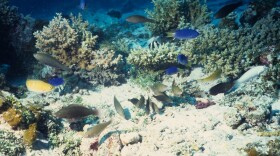 Microplastics are pretty much everywhere on Earth. They have been found in ocean water, wildlife, and even in the human body. Ocean currents carry these tiny fragments far from where they are produced, meaning even remote places are not immune to plastic pollution.
 -
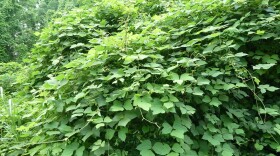 Kudzu, originally native to Japan, is known as "the vine that ate the South." The federal government began paying farmers $8 an acre in the 1930s to plant it across the south because it was touted to revitalize the soil. It actually worked, but ultimately kudzu grew out of control, spreading nearly a foot a day and rooting wherever it touched. Along with its super-high growth rate, it had no natural enemies in the region. The government only stopped paying farmers to grow kudzu in 1953 and the Department of Agriculture finally declared it to be a weed in 1970.

© 2026

Play Live Radio
Next Up:
0:00
0:00
Available On Air Stations


