-
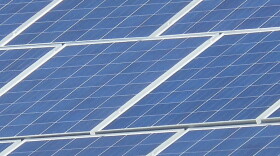 Ohio has been one of the toughest regions in country for clean energy development, particularly solar power. Permits for construction are often blocked by local political opposition rather than technical faults. Much of the opposition is based on the notion that covering fields with solar panels destroys the rural and agricultural character of local communities. Ohio residents often voice concerns that solar installations may lower home values, create glare, and cause drainage issues.
 -
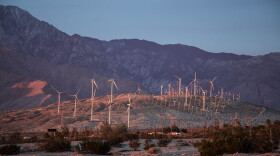 The world is in a global transition from a fossil-fuel-based energy system to a zero-carbon, renewable energy system. Renewable sources including solar, wind, hydroelectric, and geothermal power form the backbone of energy production along with nuclear power. Heating, transportation, and industrial processes are shifting to run on electricity rather than burning fossil fuels.
 -
 Hyperscalers are large technology companies that build and operate massive, globally distributed data center networks to provide cloud computing, storage, and networking services on an enormous scale. Examples include Amazon, Google, Meta, Microsoft, and Alibaba.
 -
 The offshore Revolution Wind project, located off the coast of Rhode Island, is nearing completion after nearly three years of work. The project is 95% complete, with 61 out of 65 turbines fully installed.
 -
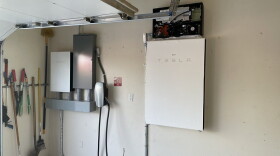 The elimination of federal tax credits for solar installations and electric cars have wreaked havoc with sales for these green energy technologies. The Republican Congress voted to have these credits expire at the end of last year. People raced to lock in good deals on both EVs and rooftop solar. Then, with the arrival of the new year, sales cratered – at least for a while.
 -
 An energy roundtable in Plattsburgh, New York, Friday brought together labor, utility and conservationists to discuss energy needs in the North Country
 -
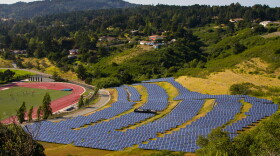 The silicon solar cell was invented in 1954. In the 1970s and 1980s, solar panels first started appearing on roofs. But even by the turn of the century, the total global capacity was below 5 GW. Over the next decade, European and Japanese programs drove early adoption and by 2010, the global total was about 40 GW. The next decade saw dramatic reductions in the cost of solar modules and a period of rapid growth ensued.
 -
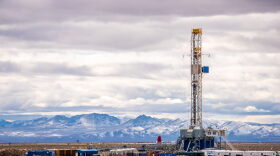 Enhanced or next-generation geothermal energy has massive potential in the western United States. This energy source could provide hundreds of gigawatts of clean energy around the clock. Currently, there are only 4 gigawatts of geothermal energy being used nationwide.
 -
 Climate Solutions Week explores different environmental challenges and solutions including: a sustainable fashion runway, a how-to on disposing of refrigerators, a heat pump demonstration, and discussions about data centers.
 -
 People skeptical about the environmental benefits of driving an electric car often argue that the emissions associated with building the car cancel out the emissions reduction in driving it. They then argue that the greenest car is the one already sitting in your driveway. The claim is that it is better for the planet to keep one’s gas car running as long as possible.

© 2026

Play Live Radio
Next Up:
0:00
0:00
Available On Air Stations


