College is a brave choice. That’s the mantra of a new coalition of 16 area institutions looking to change the messaging on higher-education enrollment. The Capital Region Higher Ed Alliance has formed as the greater Albany area lags behind other metro areas in college degree attainment.
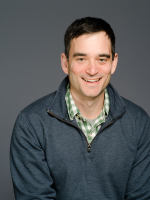
Russell Sage College President Matthew Shaftel, who co-chairs the alliance, discussed the initiative with WAMC’s Andrew Waite. He started by detailing the return on investment that some high school students have questioned of late.
Shaftel: The average college graduate is half as likely to be unemployed as a high school graduate. Half. The average student who's had an AA degree earns about $10,000 more on average, than the average high school student their entire life. And then add a bachelor's degree, it's a $30,000 difference per year for your entire life. And now get to a graduate degree, and you're looking at something like twice what a high school graduate makes, and almost 0% chance that you are unemployed. Add that all up, multiply it by the number of years of somebody's lifespan, the average college graduate, whether it's an associate's degree or graduate degree, is earning between $500,000 and $2.5 million more over their lifespan. And then multiply that by the 150,000 adults in the Capital Region who need that credential, and we're looking at $2.5 billion of economic activity in salary alone.
Waite: So then again, where is the disconnect? Is it messaging? And, if so, what is changing now about the messaging?
Shaftel: Yeah, so the messaging just hasn't been very clear. We live in a community or society that doesn't that will take the N of one, the one story of somebody who went to college and didn't get a job right away, and translate that into wrong information. And the truth about the data is that it is absolutely a good choice, but we haven't been acknowledging the brave part, the courageous part, of making a college choice. We haven't made it as easy as possible for people to make that brave and courageous choice, things like helping them to navigate financial aid, helping them to navigate federal processes that lead to federal grants and so forth, really walking them through that process, and we have done a disservice. The industry of higher ed itself has done a disservice to potential students by pretending like college was self-evident. It isn't. It is a brave and courageous choice. It is a conscious choice that you have to make to invest in the long term, and as we get less and less secure about making those investments in the long term, it is harder to convince students and parents that that is a good choice, even though every piece of evidence points to the contrary.
Waite: So what concretely then will this coalition do? So these 16 schools have come together to do what?
Shaftel: So the first step is really just to change the messaging that 16 institutions, public, private, community, college to professional school, have come together and we agree that we need to acknowledge and respect our students and make sure that they understand that college is a brave choice, and we are partners with them, and we will also be brave. And so then that's the step is, how do we change that conversation? How do we ensure that we are making seamless pathways for students from Hudson Valley or Cobleskill to whatever's next for them. You know Albany College of Law. Who knows? Russell Sage? University at Albany? Whatever it is, whatever that pathway looks like, and ensure that that is as seamless as possible, transferring credits, connecting credits across institutions, advising students when there's a financial challenge. Here's where you can land, and then we'll pick you up here later, just creating those super seamless pathways for the Capital Region. But just telling the story correctly is a good starting place.
Waite: And what would you say to a cynic that just says this is about keeping the Russell Sages of the world open, right? I mean, everyone has Saint Rose looming in the background here. What would you say to that criticism?
Shaftel: It's a totally fair comment. First of all, Russell Sage is here to stay. We're doing really well, largest enrollment in over 25 years. So we're in a really good spot. So we don't need to have this conversation this way, and the reason is because of the work that we are doing in the college attainment space. We're ranked the number one private school for social mobility east of the Mississippi and north of Washington, DC, by US. News — this isn't just me, so I feel really confident that we have a platform to work from. But more importantly, higher ed is consolidating industry in an environment where we need so many more people to have a college credential in order to maintain our position globally as a nation. So the work we have to do as an industry is to share this message, not just with 16 institutions. But with 1,600 institutions and so forth, because the real information about what a college degree does and how it prepares people for the uncertainty of the future is what we need to get out in that messaging. Should the higher ed industry continue to consolidate, we will have no choice unless we have this message out. But my fear is, more importantly, that the nation won't be positioned to be a global economic power in the future, because we've fallen so far behind other other nations who are competitors.
Waite: And what do you think the role of higher ed needs to be here in the next five years? I mean, especially as artificial intelligence is changing the way that courses are instructed, assignments that get given out, what is the value here and the role of higher education going forward?
Shaftel: There's so much work to be done on it, but, and yet, it's exciting. Higher ed should and always has led the way when we're talking about how do we incorporate new technologies into the workplace? How do we make sure those new technologies are used ethically, thoughtfully, efficiently? How do we increase productivity? How do we engage in the global marketplace? We have to adapt, and we are pretty consistently, and that will help our communities and our students, future students, to adapt. There's just no question that AI is a critical tool. So whether you're a nursing major or whether you're a business major, AI will be part of the work that you do, and our job is to ensure how do we translate what we can achieve using AI as a really incredible tool into the work we have to do with humans? And I can't say enough about how much more important the higher education landscape is in this environment than it ever has been in the past.
Waite: Do you think part of that adaptation has to be shedding the reputation that college is liberal, that sort of coding, and broadening who is thinking that they are welcome at college?
Shaftel: Let me be straight, we have allowed, as an industry, a small number of elite institutions to speak for the work of higher education, just as we do, in many ways, we let a small number of people with a certain amount of privilege to respond and speak for all of the rest of us, the Russell Sages of the world, the UAlbanys of the world, the Cobleskills of the world. The HVCCs of the world are doing the real work of making sure that people can follow their dreams, kind of no matter where they start. That is the real voice of higher education. And we're not talking about whether I'm liberal or conservative. We're talking about, how do you open your mind? How do you build open mindsets? How do you remain thoughtful and think critically and think creatively and address the persistent problems of society using a multi-engaged lens.