-
 The US added more battery storage capacity in the second quarter of this year than in any quarter ever. In fact, the 20.2 gigawatt-hours of batteries installed during those three months represents one tenth of the nation’s entire grid storage capacity.
 -
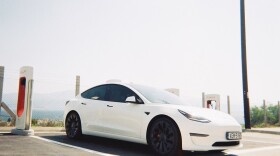
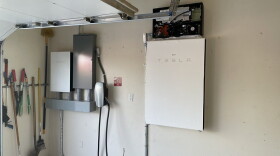 The elimination of federal tax credits for solar installations and electric cars have wreaked havoc with sales for these green energy technologies. The Republican Congress voted to have these credits expire at the end of last year. People raced to lock in good deals on both EVs and rooftop solar. Then, with the arrival of the new year, sales cratered – at least for a while.
 -
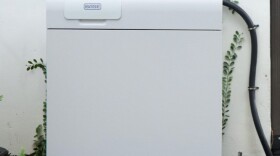 For a few decades, homeowners with solar panels on their roofs have been taking advantage of net metering, which is where excess energy from their panels is fed into the grid in return for an energy credit, reducing their power bills.
 -
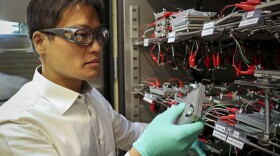 The market for batteries has exploded in recent years. Demand has grown more than fortyfold since 2010. The major reasons for the growth are electric cars and energy storage for solar and wind. Sales of EVs hit 20 million last year and storage capacity for solar farms has grown twentyfold in just the past 5 years.
 -
 The part of the year between the chill of winter and the heat of mid-summer tends to be when renewable energy systems perform best. Longer, milder days when electricity demand is relatively low are when wind and solar power are ramping up and can account for greater shares of grid energy consumption.
 -
 Lithium is the key metal for electric vehicle and energy storage batteries. Viewed as a way to strengthen U.S. energy independence, there has been a growing rush for lithium across the country. By 2030, at least six new mining projects are projected to be underway and another 13 will soon follow, mostly in the Southwest. There are more than 100 U.S. projects to which companies have staked claims. Worldwide, there are over 500 proposed lithium mines as the need for batteries skyrockets.
 -
 Storing energy in batteries is an increasingly important aspect of the modern world. Electric cars and giant battery banks for electric utilities require high-capacity batteries. The majority of these batteries are lithium-ion batteries that come in a number of different varieties based on the other elements used to make them.
 -
 Researchers from Rensselaer Polytechnic Institute are working on developing what they hope will be a greener, more efficient, and less expensive energy storage alternative to lithium batteries.
 -
 An upstate New York town that repeatedly found itself without power for days during a string of storms is planning a dramatic step — pulling its municipal…
 -
WASHINGTON (AP) -- As 21st century technology strains to become ever faster, cleaner and cheaper, an invention from more than 200 years ago keeps holding…

© 2026

Play Live Radio
Next Up:
0:00
0:00
Available On Air Stations


