-
 The geographic range of a plant species is the area where it can survive and grow. That range is shaped by climatic factors such as temperature, precipitation, soil moisture, humidity, and wind. When those conditions change, plants must either adapt, shift their range, or risk decline.
 -
 Planting trees is a key strategy in the fight against climate change. Trees absorb carbon dioxide, regulate temperature, support biodiversity, and improve air and water quality. In urban areas, planting trees may also be one of the simplest ways cities can prepare for a warmer future.
 -
 Gray whales undertake one of the longest annual migrations of any mammal on Earth. They spend the summers feeding in the nutrient-rich waters of the Arctic before traveling about 12,000 miles round trip to winter in the warm and protected lagoons of Baja Mexico. But as ocean conditions change, some gray whales are taking unexpected detours.
 -
 Projections are that a strong El Niño is on the way. An El Niño is a natural release valve for ocean heat. It starts with shifts of swirling ocean currents and winds over the Pacific. The result is that huge stores of tropical ocean heat surges from the Western Pacific in the area between Australia and Indonesia northward to Japan. The ocean heat then spills into the atmosphere in pulses that change weather patterns, reroute high-elevation winds, raise global temperatures, bleach coral reefs, and disrupt fisheries and ocean ecosystems.
 -
 Mesothermic animals occupy a middle ground between cold-blooded and warm-blooded species. Mesotherms are able to generate and retain some body heat while still relying partly on their environment. This rare adaptation, found in less than 0.1% of all fish, is seen in species such as basking sharks, great white sharks, and bluefin tuna.
 -
 The western American snowpack is nature’s reservoir, providing 60-70% of the region’s water supply. Winter precipitation is stored there and is released slowly during the spring and summer. The snowpack feeds the region’s rivers, fills reservoirs, supports irrigation for agriculture, enables hydropower, and sustains ecosystems. After the warmest winter on record for many states and a major heat wave in March that left almost no snow in many places, there is real trouble ahead.
 -
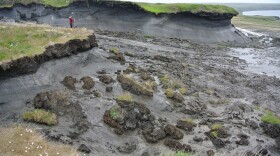 Permafrost is frozen ground - a mixture of soil, rock, sand, and ice - that remains at or below 0°C for at least two consecutive years. Permafrost covers about a quarter of the landmass in the Northern Hemisphere, the majority of which can be found in northern Russia, Canada, Alaska, Iceland, and Scandinavia. As long as it stays frozen, it’s no threat to the climate.
 -
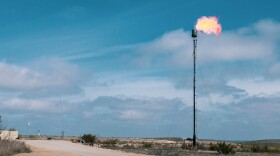 A coalition of 24 states as well as a dozen cities and counties has sued the Trump administration over its decision to relinquish the government’s legal authority to fight climate change. The lawsuit is likely to be consolidated with a case that 18 environmental, healthcare, and scientific groups already filed in February.
 -
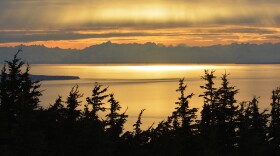 The Trump administration is pushing to scale up oil and gas production in the US, despite heavy criticism and environmental concerns. It is urging the establishment of an 11th National Outer Continental Shelf Leasing Program to open up areas in Alaska, California, and the Eastern Gulf of Mexico. The Interior Department is advancing a new 5-year leasing program to increase oil and gas development, reversing prior restrictions.
 -
 Toxic algal blooms have been a growing problem in recent years associated with warming waters and nutrient-rich agricultural runoff in lakes, rivers, and oceans. These outbreaks can damage ecosystems, degrade water quality, and release toxins that threaten both wildlife and people. But a recent discovery suggests that nature may have found a way to fight back.

© 2026

Play Live Radio
Next Up:
0:00
0:00
Available On Air Stations


